Architects of the Ages
Here is my collection of influential architects across the ages. This is a working document and I’ll be adding more names as I go. Who am I missing? Get in touch and let me know!
11th Century (1066–1100)
Gundulf of Rochester (c.1024—1108)
Historic Period: Norman / Early Medieval
Core Contribution: Master of Norman (Romanesque) military and ecclesiastical architecture.
Key Works: The White Tower (Tower of London), Rochester Castle, and Rochester Cathedral.
Impact: As a Norman monk who became Bishop of Rochester, Gundulf was William the Conqueror’s primary builder. He successfully introduced the massive, intimidating Romanesque (Norman) style to England, reshaping the landscape to cement Norman royal authority.
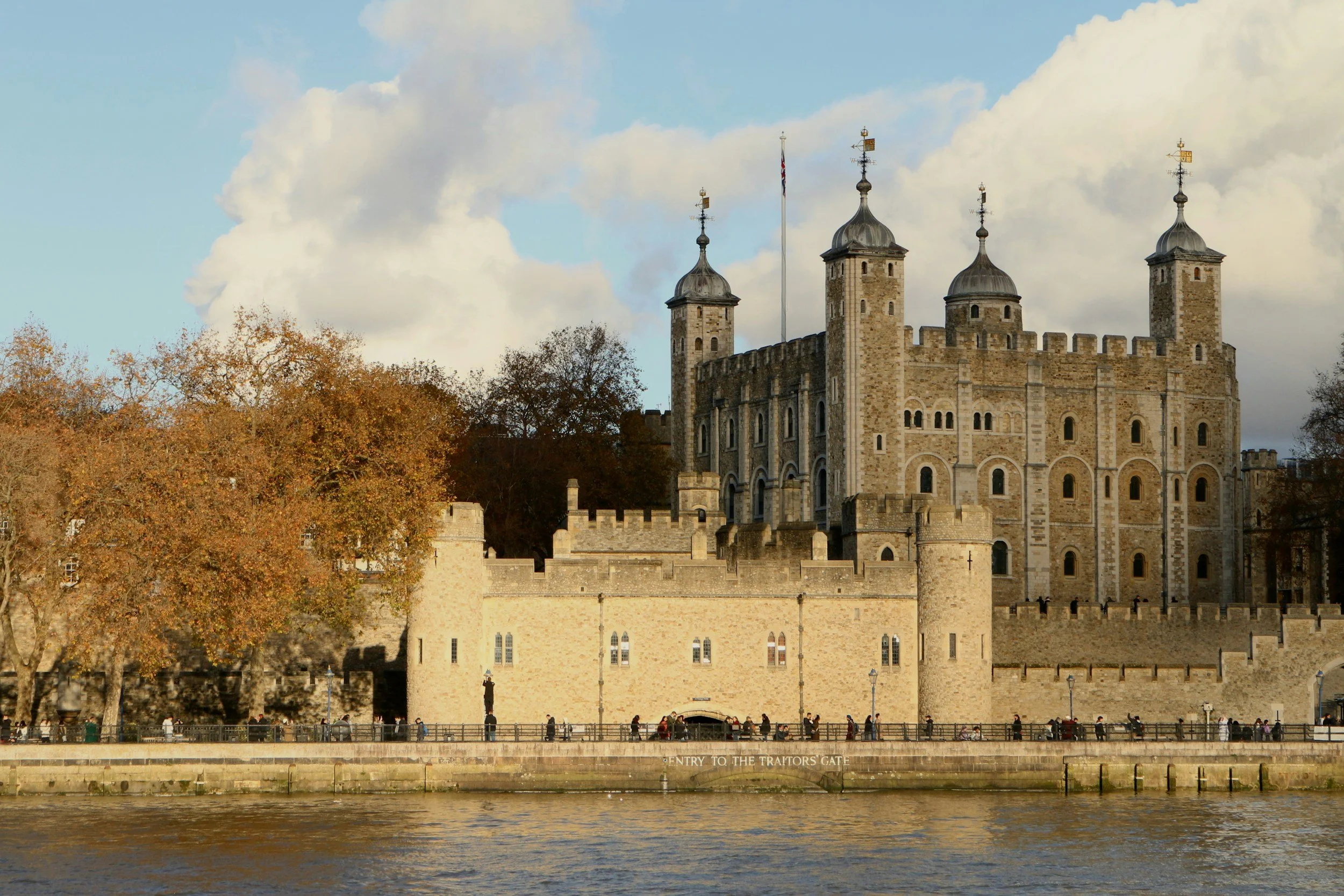
The White Tower, Tower of London. Credit: Unsplash
12th Century (1101–1200)
William of Sens (d. 1180)
Historic Period: High Medieval
Core Contribution: Introduced the Gothic style to England.
Key Works: The rebuild of the Canterbury Cathedral choir.
Impact: Following a devastating fire in 1174, this French master mason was hired to rebuild Canterbury. He introduced early Gothic elements such as pointed arches, ribbed vaulting, and flying buttresses, which completely transformed English architecture away from heavy Romanesque styles toward height and light.
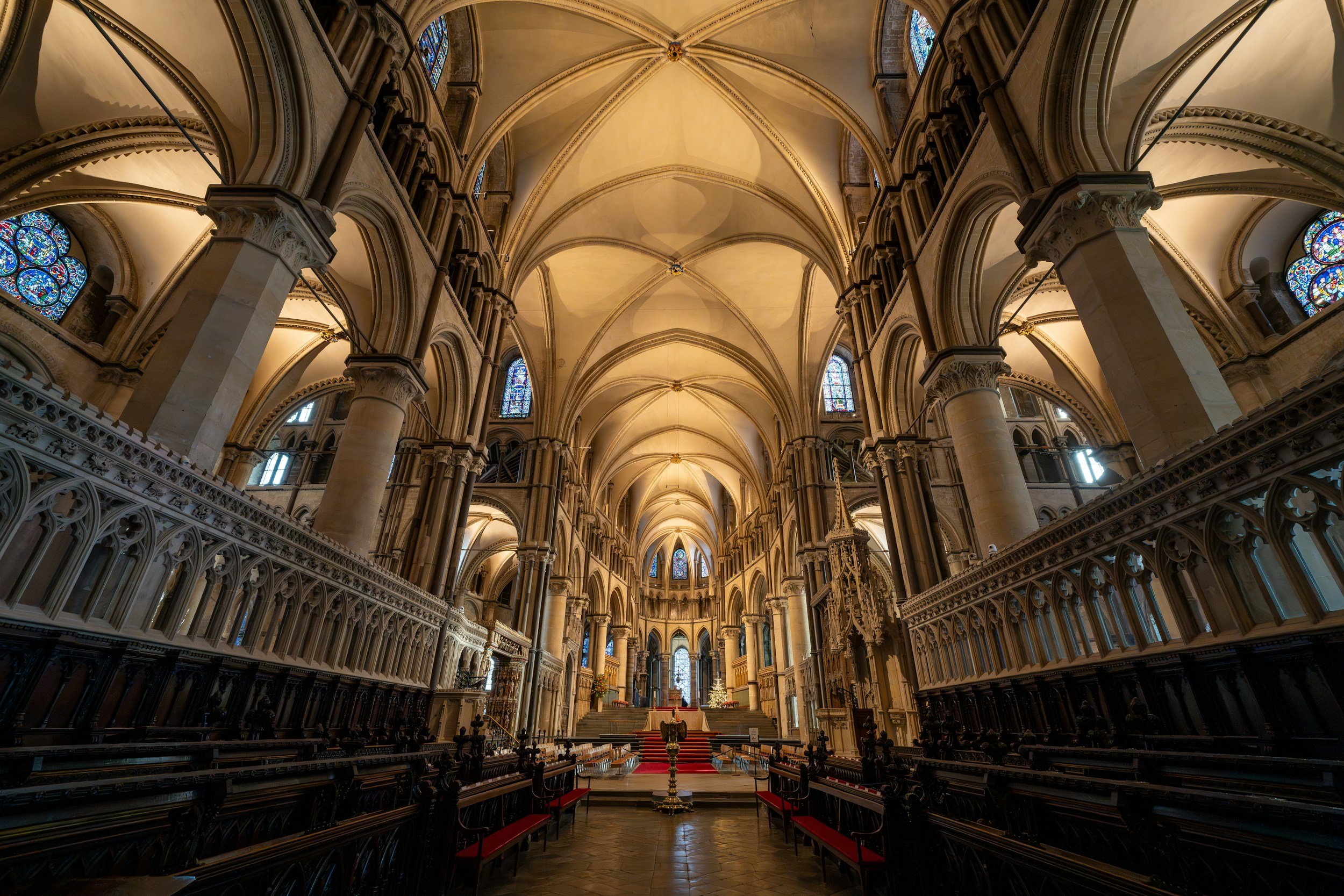
Canterbury Cathedral Choir. Credit: Unsplash
13th Century (1201–1300)
Master Henry (Henry of Reyns) (d. c. 1253)
Historic Period: Plantagenet / High Medieval
Core Contribution: Pioneered the "English Gothic" synthesis (Rayonnant influence).
Key Works: The rebuilding of Westminster Abbey under Henry III.
Impact: Henry of Reyns masterminded the grand mid-13th-century redesign of Westminster Abbey. He blended French Rayonnant Gothic design principles (like geometric bar tracery and soaring heights) with traditional English architectural textures, setting a new benchmark for royal prestige.
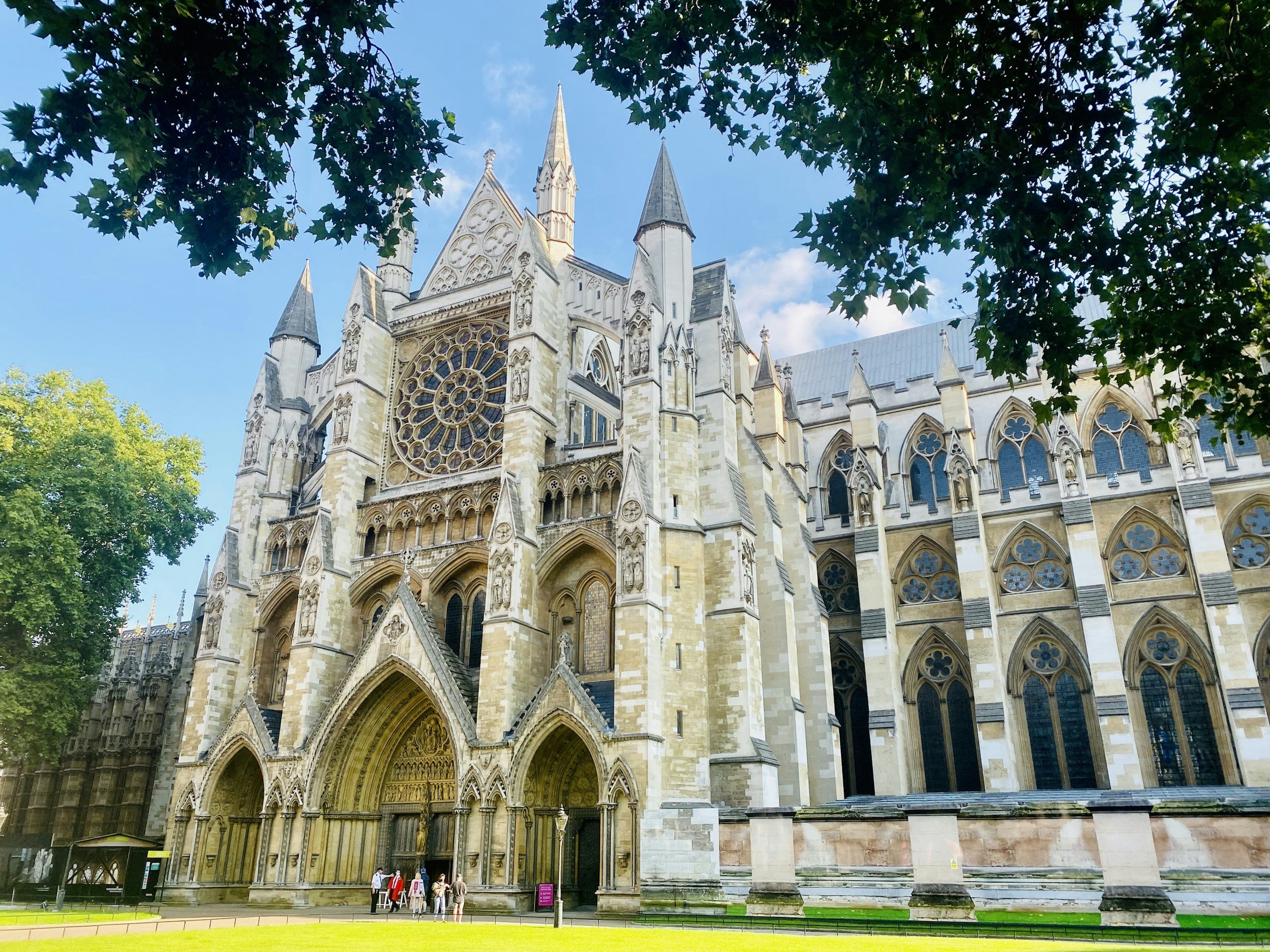
Westminster Abbey, London. Credit: Unsplash
14th Century (1301–1400)
William Wynford (c. 1330—1405)
Historic Period: Perpendicular Gothic
Core Contribution: Master of the uniquely English Perpendicular Gothic style.
Key Works: Winchester Cathedral nave, New College, Oxford, and Windsor Castle (royal apartments).
Impact: Wynford was one of the most prolific master masons of the late Middle Ages. He helped perfect the Perpendicular style, which shifted focus toward strong vertical lines, vast window expanses, and magnificent timber-framed roofs.
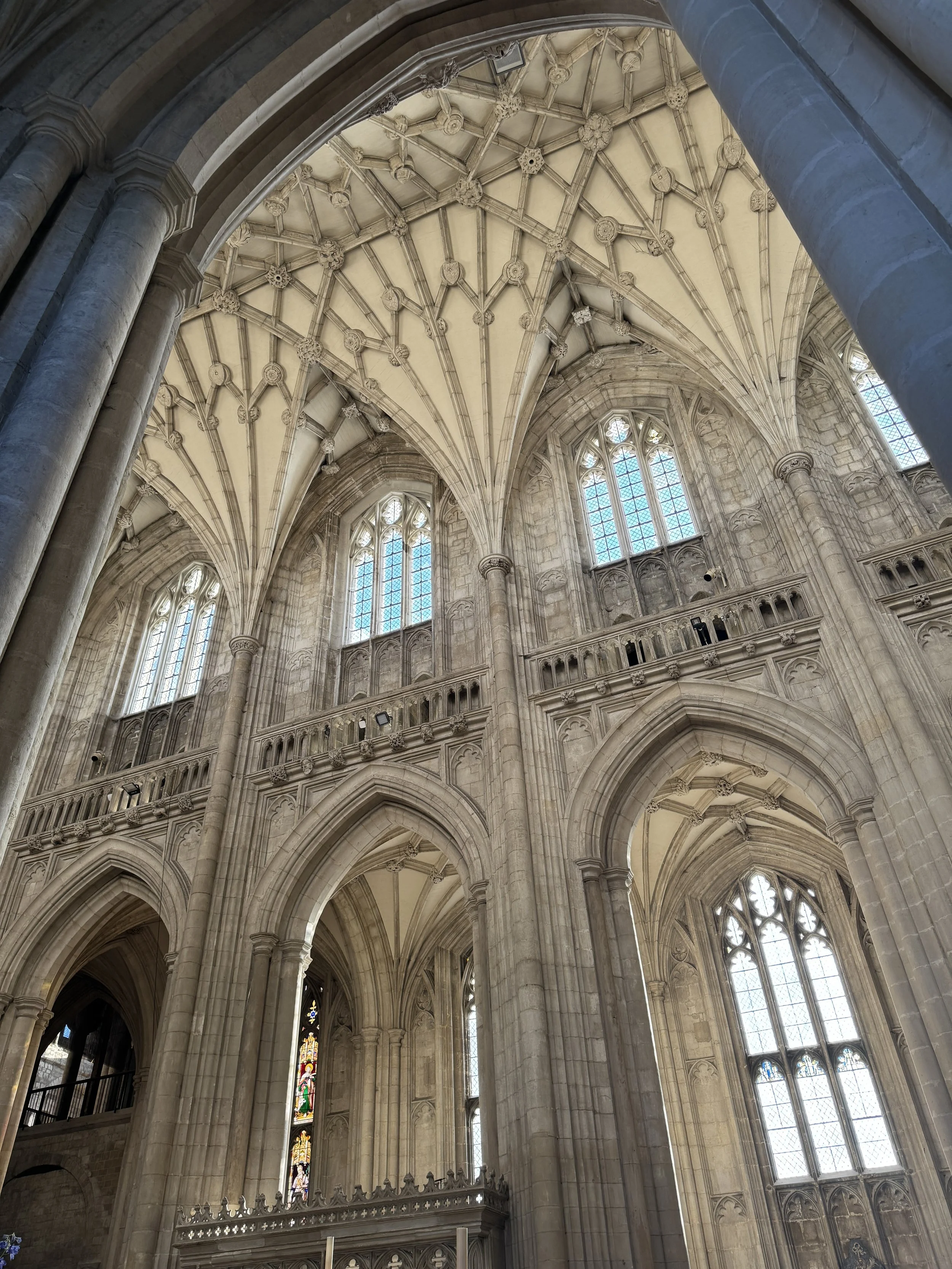
Winchester Cathedral Nave, Winchester. Copyright: M.Kenney
15th Century (1401–1500)
John Wastell (c. 1460—1518)
Historic Period: Late Medieval / Early Tudor
Core Contribution: Master engineer of the world's grandest late-medieval fan vaulting.
Key Works: King's College Chapel (Cambridge), Bell Harry Tower (Canterbury Cathedral), and Peterborough Cathedral retrochoir.
Impact: Wastell was one of the most brilliant master masons of the late Perpendicular Gothic style. He engineered the magnificent stone fan vault ceiling at King's College Chapel—the largest of its kind in the world—pushing medieval masonry to its absolute zenith just as the Tudor era began.
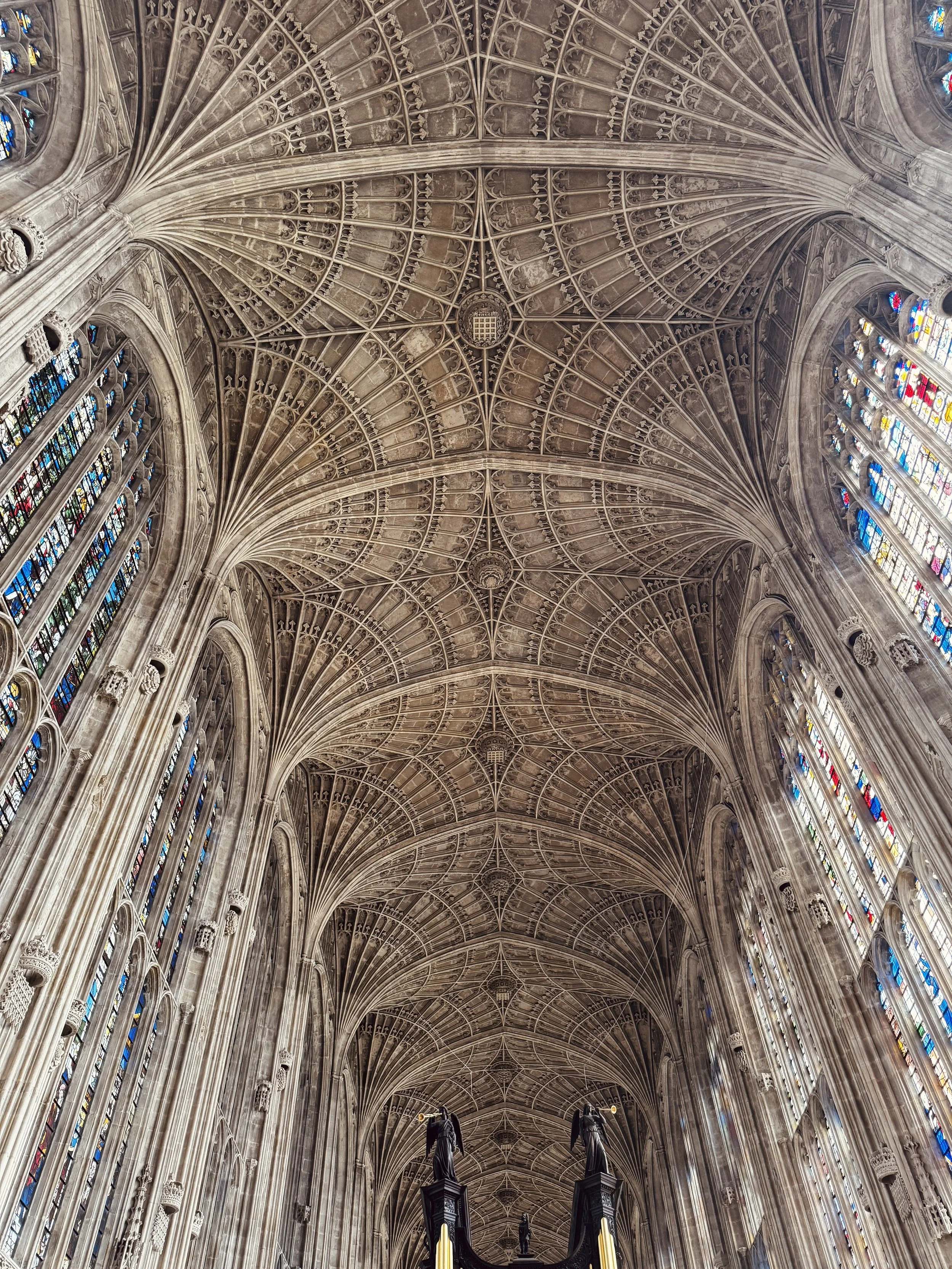
King’s College Chapel, Cambridge. Copyright: M.Kenney
16th Century (1501–1600)
Robert Smythson (c. 1535—1614)
Historic Period: Elizabethan / Jacobean
Core Contribution: Creator of the Elizabethan "Prodigy House."
Key Works: Longleat House and Hardwick Hall ("Hardwick Hall, more glass than wall"). Also see my blog about Shaw House which is a fine example of an Elizabethan Prodigy House, but unattributed as far as I know.
Impact: Smythson was one of the first English builders to be recognised historically as an "architect" rather than a master mason. He fused Renaissance symmetry with English grand scale, designing massive, light-filled country estates that symbolised the wealth and stability of the Elizabethan elite.
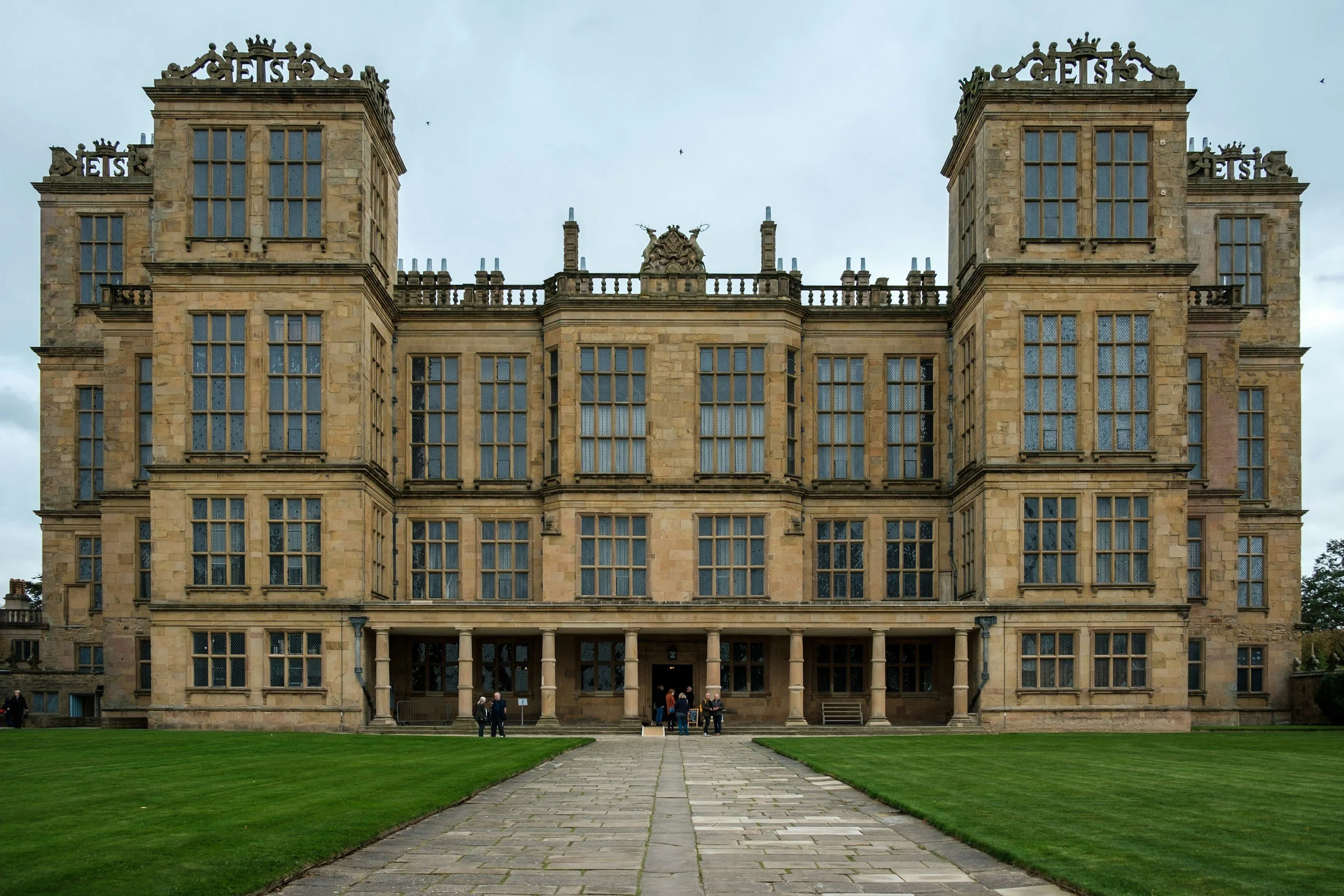
Hardwick Hall, more glass than wall! Credit: Unsplash
17th Century (1601–1700)
Sir Christopher Wren (1632—1723)
Period: Stuart / Restoration
Core Contribution: Architect of the English Baroque and mastermind of London’s rebirth. Object of the epithet “Wrennaissance”
Key Works: St Paul’s Cathedral and 51 parish churches after the Great Fire of London.
Impact: Wren completely redefined the London skyline. He adapted continental Baroque architecture into a restrained, intellectual English style, creating iconic structural domes and geometric steeples that remain globally recognisable.
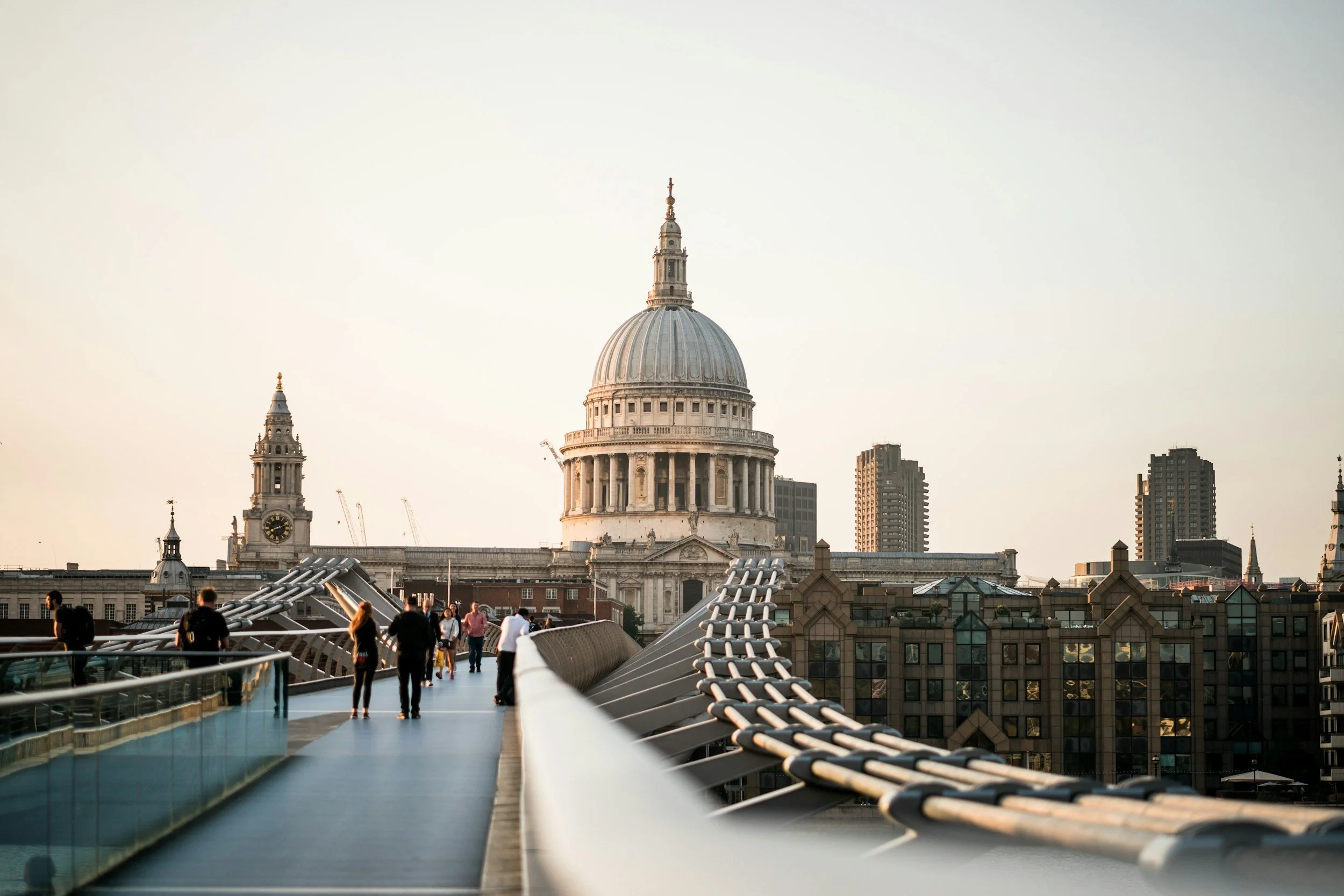
St.Paul’s Cathedral, London. Credit: Unsplash
18th Century (1701–1800)
William Kent (1685—1748)
Period: Georgian
Core Contribution: Pioneer of Palladianism and the English Landscape Garden.
Key Works: Holkham Hall, Chiswick House (gardens), and the Horse Guards building in London.
Impact: Kent was a true polymath who rebelled against the heavy Baroque style. He popularized a strict, classical Roman revival (Palladianism) and revolutionized landscape design by breaking down formal gardens into "picturesque", natural-looking parklands.
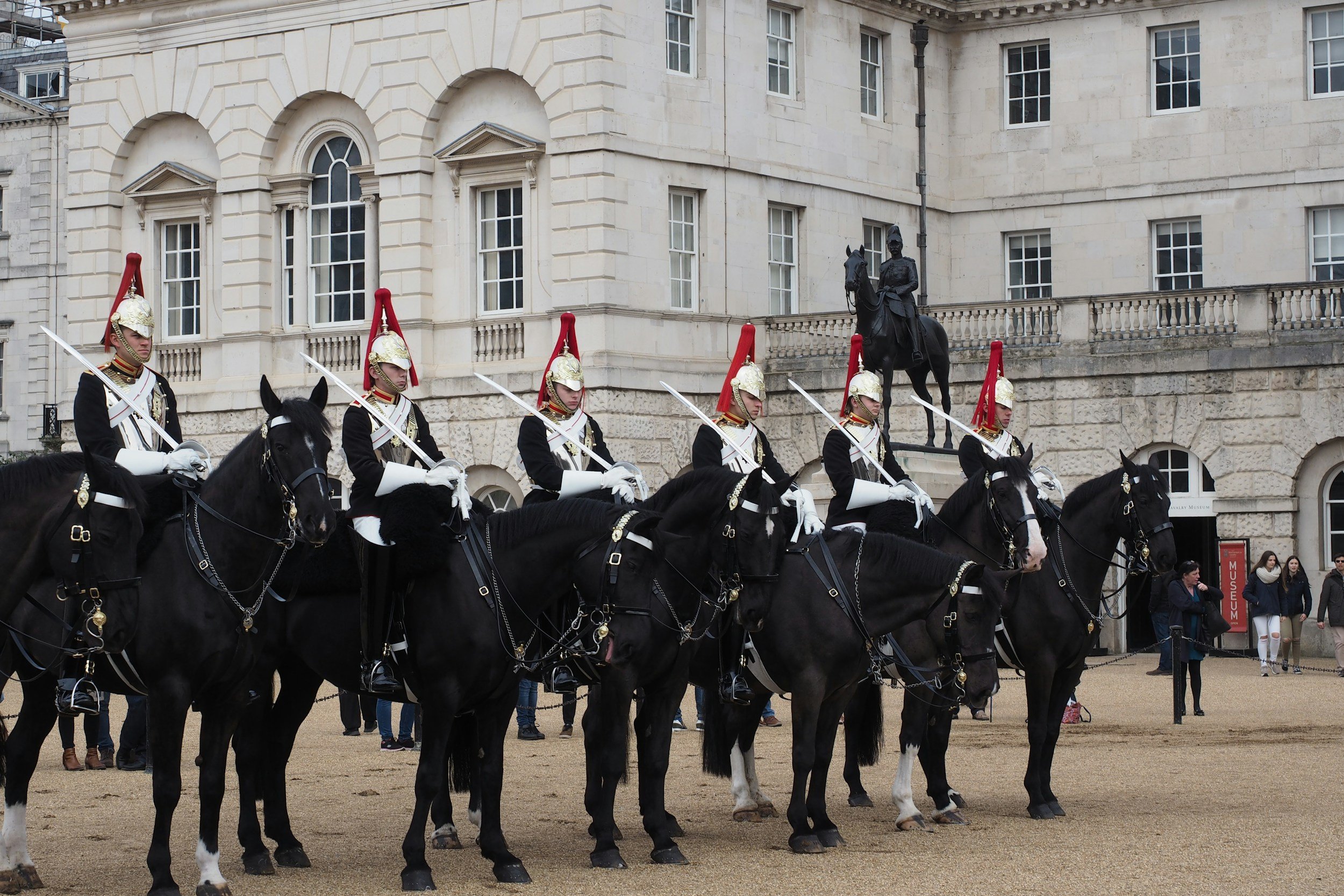
Horse Guard’s Building, London. Credit: Unsplash
19th Century (1801–1900)
Sir Augustus Welby Pugin (1812—1852)
Period: Early Victorian
Core Contribution: The driving force behind the Gothic Revival.
Key Works: Interior design and details of the Palace of Westminster (Houses of Parliament).
Impact: Pugin believed that Gothic architecture was the only true, moral Christian style. His highly influential textbooks and astonishingly detailed decorative work drove the Victorian era's obsession with medieval aesthetics, completely dominating 19th-century civic and religious architecture.
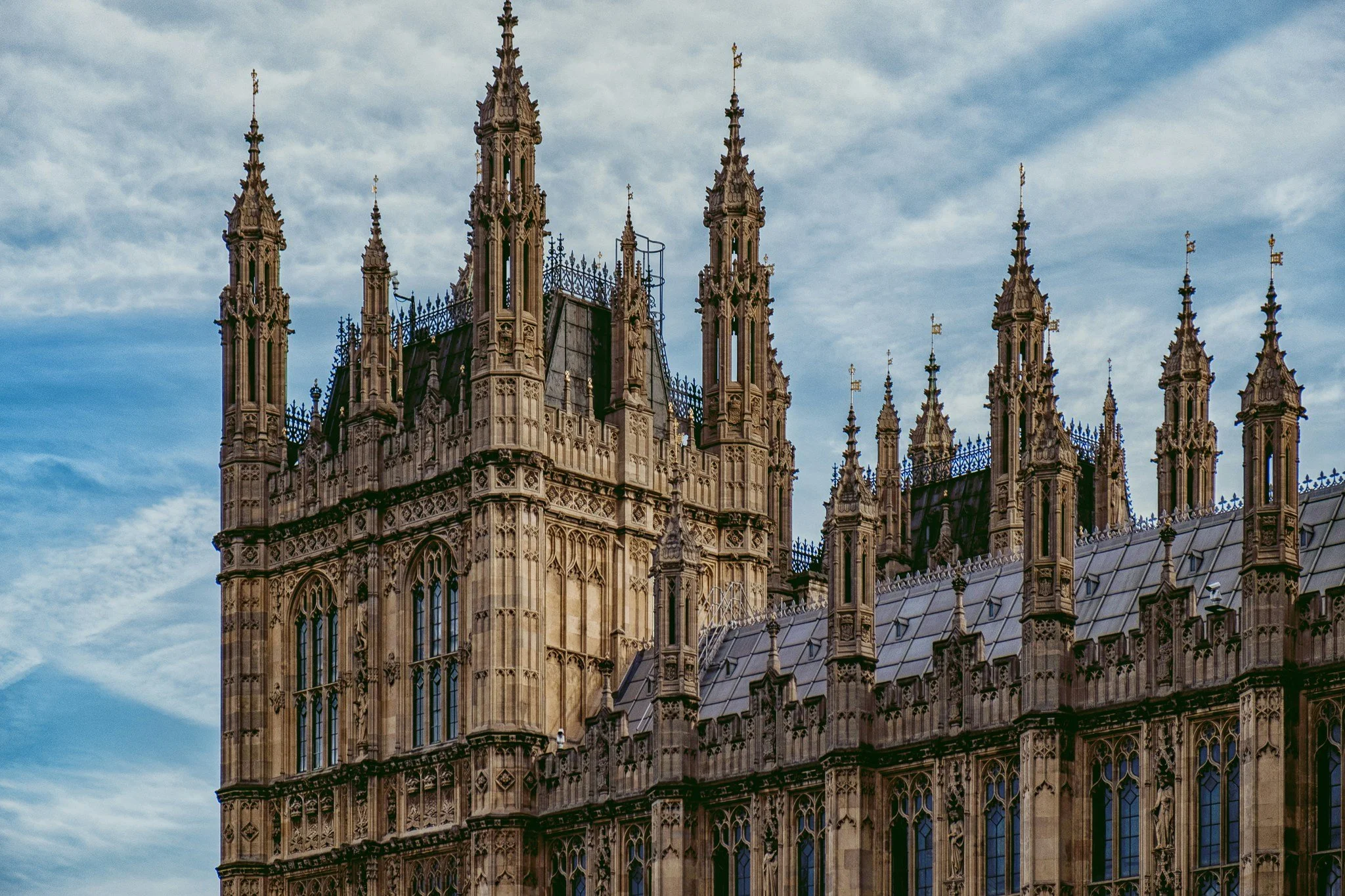
Palace of Westminster, London. Credit: Unsplash
20th Century (1901–2000)
Sir Edwin Lutyens (1869—1944)
Period: Late Victorian, Edwardian, and Interwar
Core Contribution: Master of grand English Arts and Crafts houses and monumental Edwardian civic design.
Key Works: The Cenotaph (London), Rashtrapati Bhavan (Viceroy's House in New Delhi), and Castle Drogo.
Impact: Lutyens seamlessly blended traditional English vernacular design with a powerful, stripped-back classical grandeur. His work defined the architectural identity of the British Empire at its peak, and his timeless monumental designs—most notably the Cenotaph—remain the emotional heart of British national remembrance.
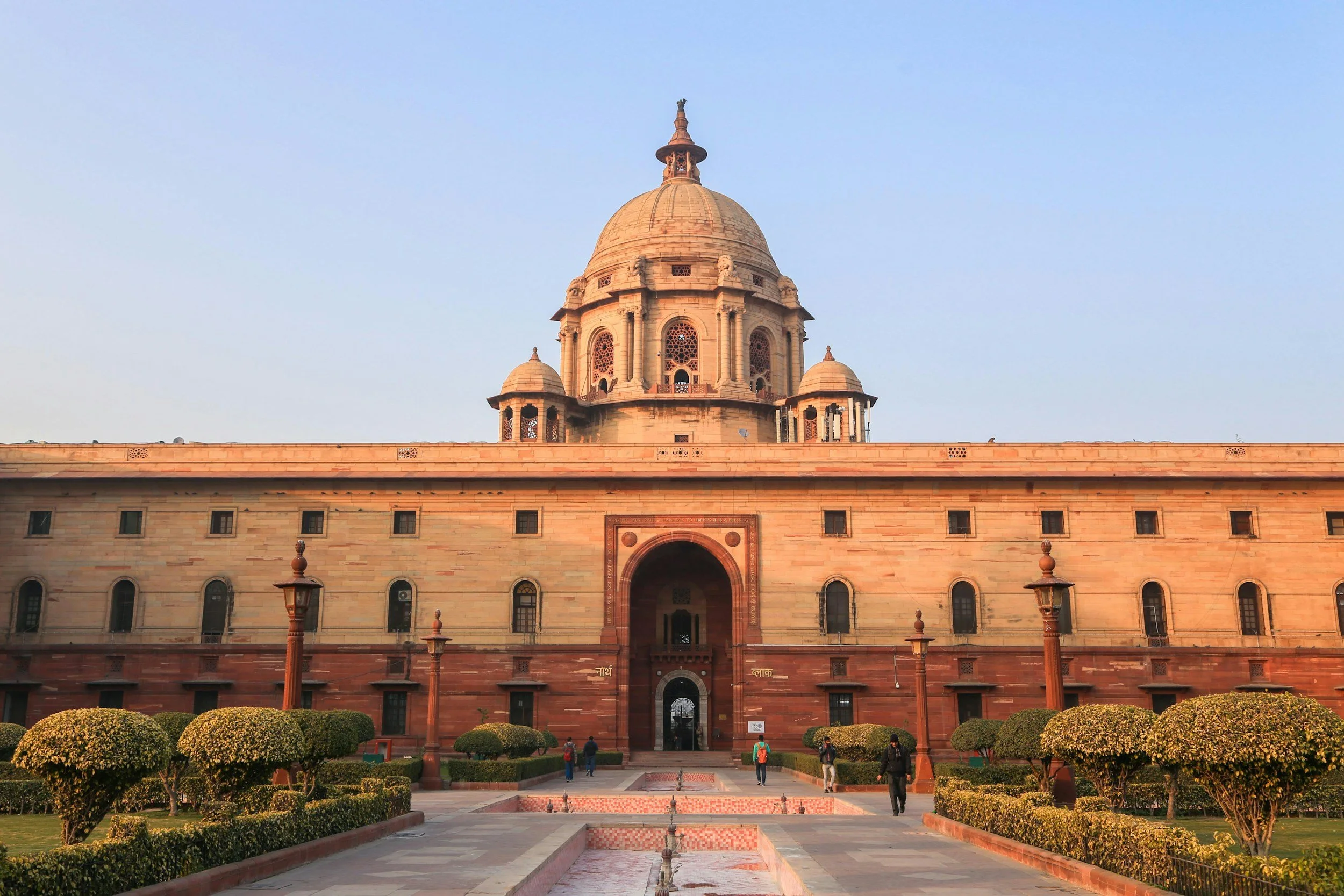
Rashtrapati Bhavan, India. Credit: Unsplash
Sir Norman Foster (1935—Present)
Period: Post War / Late Modern
Core Contribution: Global pioneer of High-Tech architecture.
Key Works: 30 St Mary Axe ("The Gherkin"), Stansted Airport and the Great Court at the British Museum.
Impact: Foster transformed Britain’s industrial post-war landscape into a hub of sleek, modern engineering. His emphasis on exposed structural steel, expansive glass, and early sustainable design set new structural and stylistic standards for corporate and public architecture worldwide.
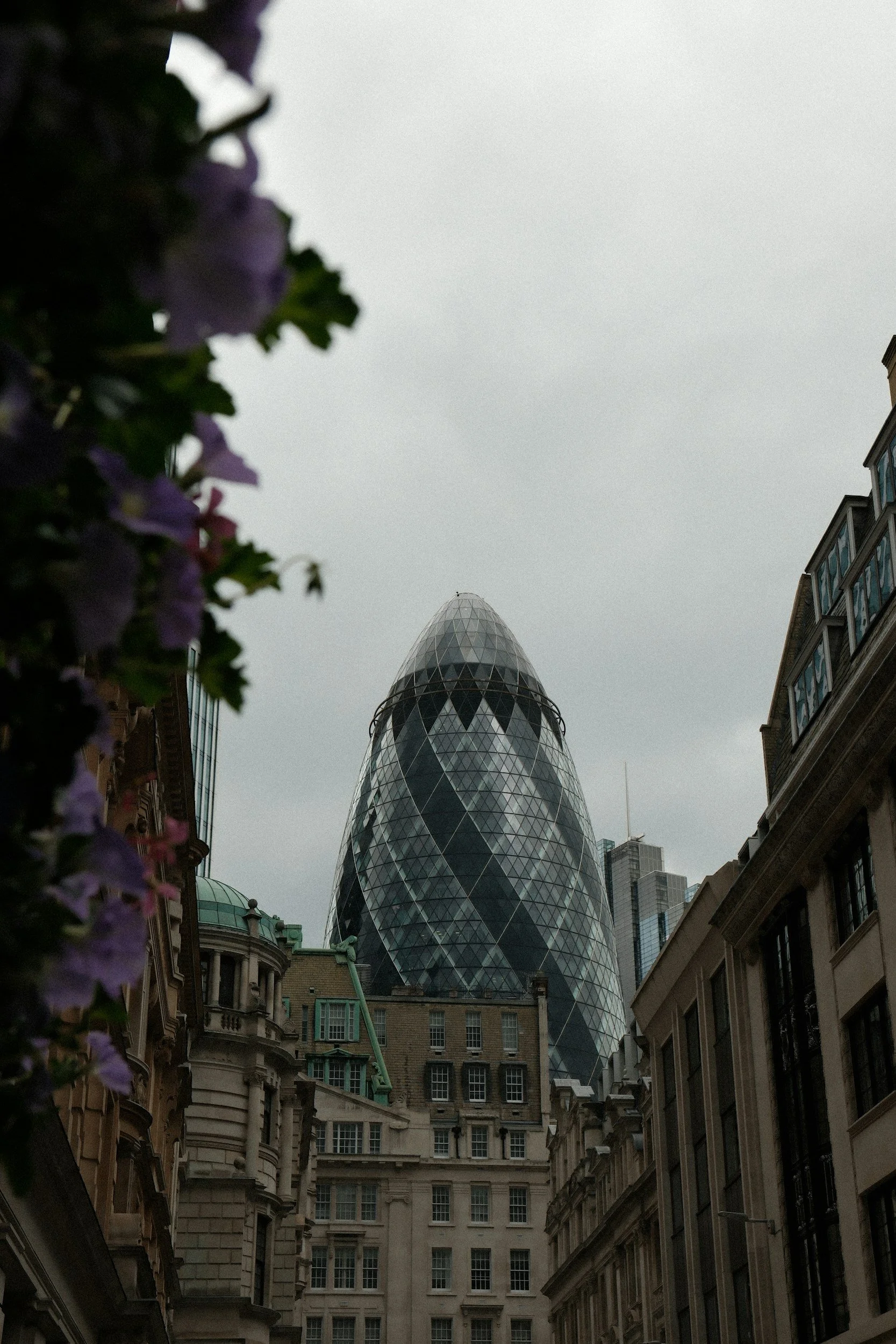
The Gherkin, London. Credit: Unsplash
21st Century (2001–2026)
Dame Zaha Hadid (1950—2016)
Period: Contemporary
Core Contribution: Pioneer of parametricism and radical fluid forms.
Key Works: London Aquatics Centre (built for the 2012 Olympics) and the Maggie's Centre in Kirkcaldy.
Impact: Hadid shattered the traditional boundaries of geometry in architecture. By utilising advanced digital modelling, she introduced sweeping, organic, and futuristic curves to the British landscape, completely shifting our collective understanding of what a concrete and steel building can look like.
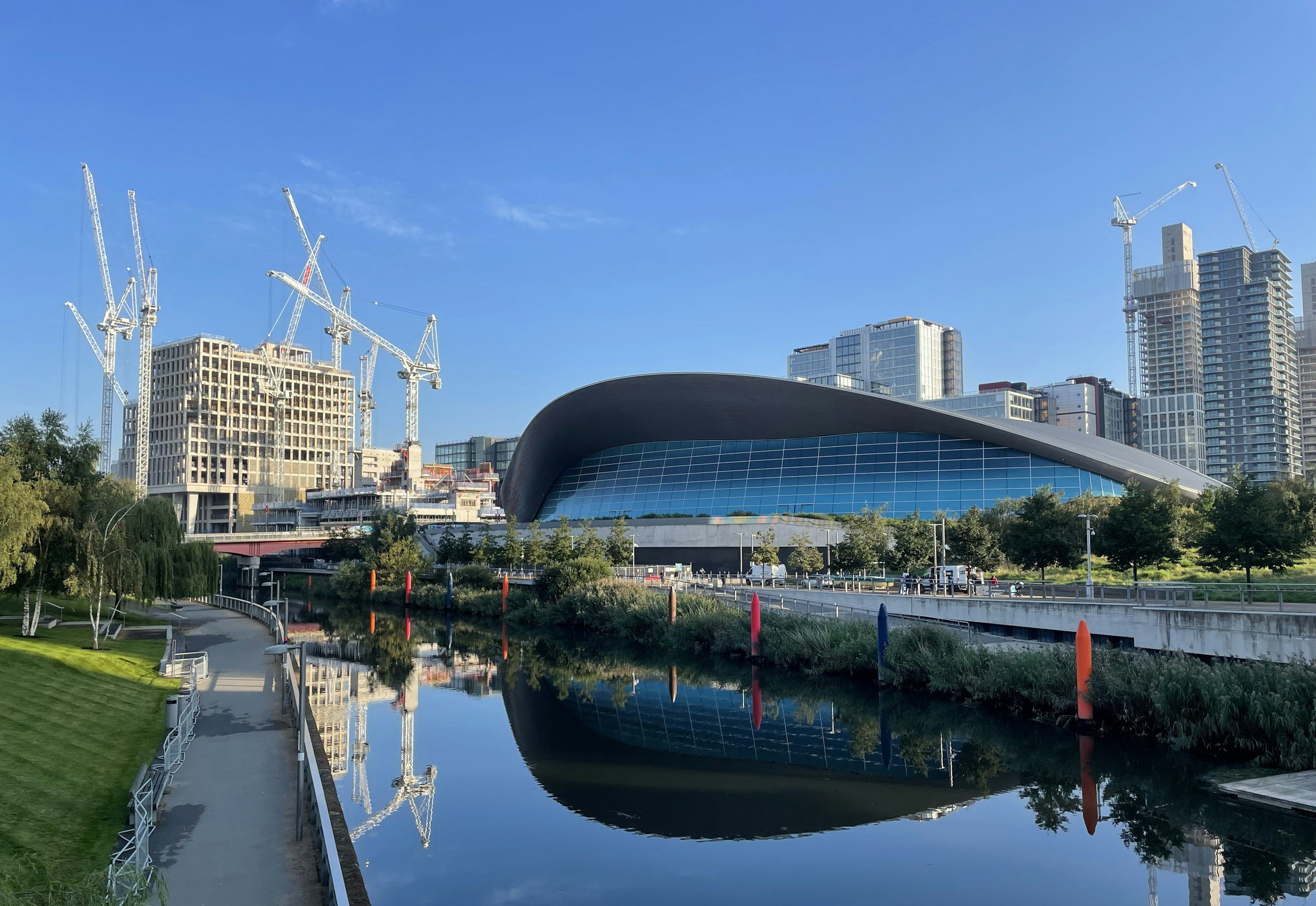
London Aquatics Centre, London. Credit: Unsplash